Location and setting
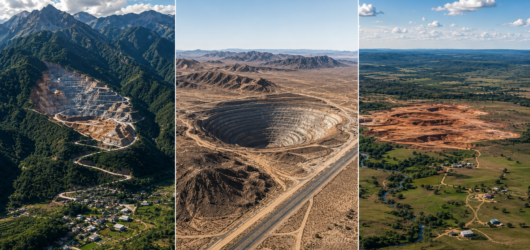
Istanbul Airport (IST) is in the Arnavutköy district on Istanbul’s European side, about 35 km northwest of the historic centre and close to the Black Sea. The 76.5 km² site included state-owned forest, former open-cast coal mines, quarries, pasture and water-filled mining pits. The airport elevation is about 99 m above sea level. Its exposed northern location brings wind, fog and occasional snow; heavy snowfall halted flights for almost 24 hours in January 2022. Summers are warm and humid.
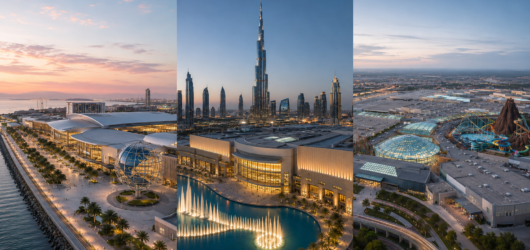
Dubai International Airport (DXB) is in Al Garhoud within Dubai’s continuous urban area. It is much closer to the city’s main districts than IST, although travel distance depends on whether “central Dubai” means Deira, Bur Dubai or Downtown Dubai. DXB stands about 19 m above sea level in an arid desert climate. Summer heat is extreme and rainfall is usually low, but intense storms can cause serious disruption.
History and development
Istanbul: The construction consortium won the airport tender in 2013, work began in the following years, and the opening ceremony took place on 29 October 2018. Limited flights began first; the full transfer of scheduled passenger operations from Atatürk Airport occurred on 6 April 2019, when the IATA code IST also moved to the new airport. The main terminal covers about 1.4 million m² and initially provided capacity for about 90 million passengers a year. A third independent runway entered service in June 2020. The long-term development concept has been presented as supporting as many as 200 million passengers annually, but the timing and final configuration remain dependent on later construction decisions.
Dubai: DXB opened on 30 September 1960 with a compacted-sand runway and a small terminal. An asphalt runway opened in 1965, the building now known as Terminal 1 opened in 1971, a second runway opened in 1984, Terminal 2 opened in 1998 and Terminal 3 began operating in 2008. Concourse A opened in 2013 and Concourse D in 2016. During the 80-day runway programme in 2014, the southern and northern runways closed sequentially, leaving one runway in operation at a time. Dubai plans to move DXB’s operations to the expanded Al Maktoum International Airport (DWC), with the transition announced in 2024 as taking place over roughly the following decade.
Route geography and hub function
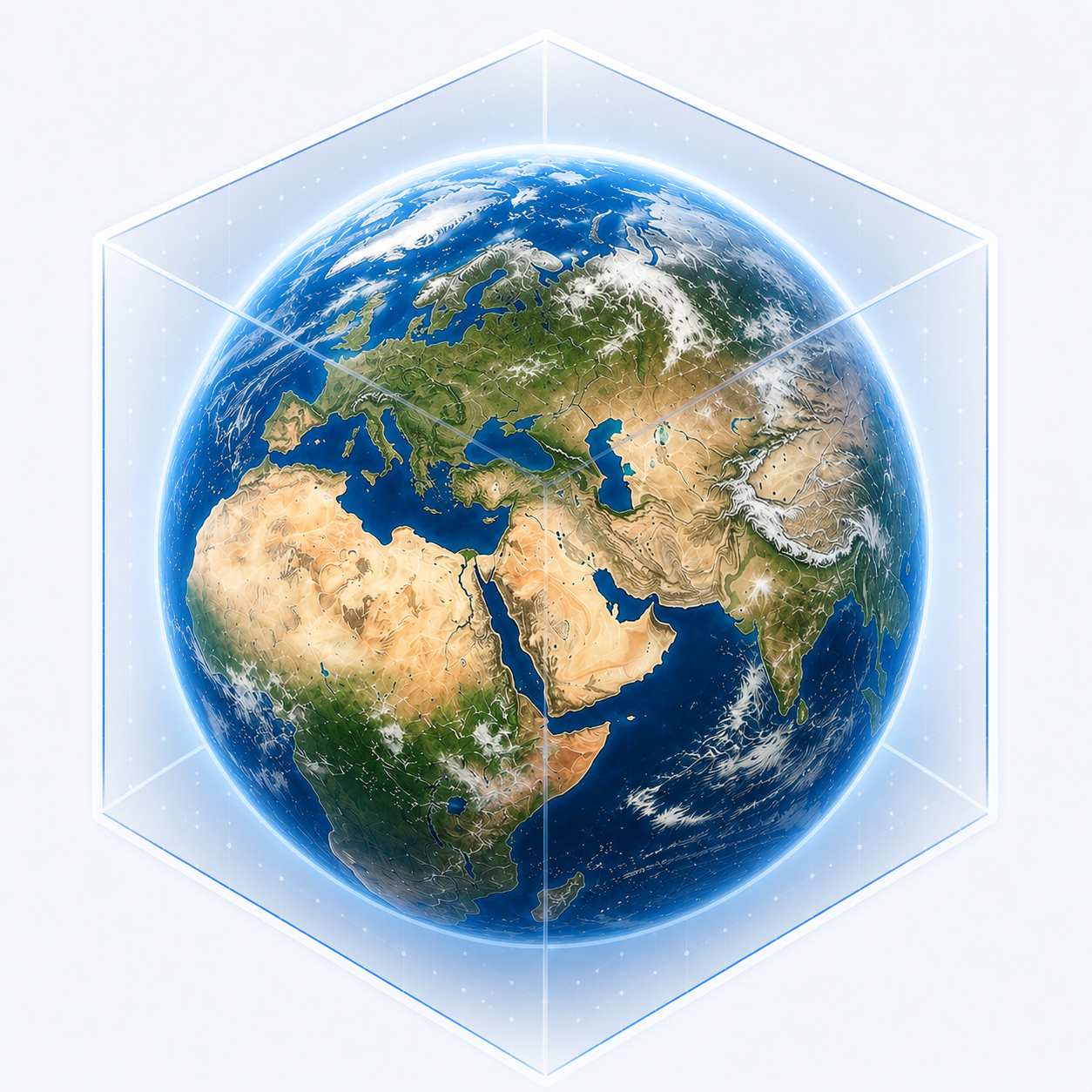
Istanbul: IST is Turkish Airlines’ principal hub at the intersection of Europe, Asia, Africa and the Middle East. Cirium reported that the airport handled more than 84 million passengers in 2025 and offered 330 destinations through 116 airlines. Official Turkish statistics put 2025 traffic at about 84.5 million passengers. ACI Europe’s 2025 connectivity report ranked IST first globally for hub connectivity and first in Europe for direct connectivity. OAG’s different methodology ranked Heathrow first and Istanbul second in its 2025 international Megahubs index.
Dubai: DXB is the main base of Emirates and a major base for flydubai. Dubai Airports reported 95.2 million passengers in 2025, the highest annual international passenger total recorded by an airport. At the end of 2025, 108 international airlines connected DXB with 291 destinations in 110 countries. Its network is especially strong between Europe, Asia, Africa and Australasia, while Dubai itself also generates substantial tourism and business traffic.
Scale and spatial form
Istanbul: IST occupies about 76.5 million m². Its single main passenger terminal has about 1.4 million m² of floor space and long piers extending from a central processing hall. The airfield has five physical runways, including two closely spaced pairs and a shorter north–south runway. Since April 2025, procedures have allowed simultaneous independent operations on three runways, increasing declared hourly capacity from 120 to 148 aircraft movements.
Dubai: DXB is more compact; the airport’s official fact file describes a perimeter roughly 7 km long and 2.5 km wide. It has three passenger terminals. Official built-area figures total about 2.12 million m² across the airport. Terminal 3 and its associated concourses form the largest complex. The widely cited 1.7 million m² figure combines Terminal 3/Concourse B with Concourse A. Terminal 1 connects to Concourse D by automated train. Terminal 3 uses Concourses A, B and C; Concourse A is reached by automated train, while B and C are connected by walkways. DXB has two parallel runways: one is 4,000 m and the other 4,447 m long. Its nominal capacity has often been stated as about 90 million passengers a year, although actual traffic reached 95.2 million in 2025.
Ground access
Istanbul: Road access remains important, with Havaist coaches, public buses, taxis and private vehicles linking the airport to different parts of the metropolitan area. The M11 metro transformed rail access. The airport–Gayrettepe sections opened in stages between 2023 and 2024, and the final Halkalı–Arnavutköy section opened in June 2026. The completed line now connects IST eastward to Gayrettepe and westward to Halkalı, with onward interchange to major urban rail services including the M2 and Marmaray. Total journey time still depends heavily on the passenger’s final district and transfers.
Dubai: DXB has Dubai Metro Red Line stations at Terminals 1 and 3. Terminal 2 has bus, taxi and road access but no station directly inside the terminal; passengers transferring between terminals can use the airport’s inter-terminal services, subject to the relevant landside or airside arrangements. RTA buses, taxis, ride-hailing services and private vehicles serve all terminals. Road access is primarily through Airport Road and connections to Dubai’s wider motorway network. Travel to central districts is usually shorter than from IST, but congestion and the destination within Dubai affect the time.
Passenger experience
Istanbul: IST is modern, spacious and rich in facilities, including lounges, family areas, exhibitions, sleep facilities and extensive retail and dining. Its size creates long walking distances and can make short connections demanding. Skytrax certifies IST as a 5-Star Airport. Cirium gave it the 2025 Platinum Airport Award for overall operational performance, assessing delay severity, disruption control and schedule integrity across the year rather than only the percentage of flights departing on time.
Dubai: Experience varies by terminal. Terminal 3 is the newest and largest, while Terminals 1 and 2 include older infrastructure. Long walking distances, bus gates and transfers between terminal areas can add time. Skytrax certifies DXB as a 3-Star Airport. Dubai Airports’ own 2025 data reported that 99.35% of departing passengers cleared passport control in under ten minutes and 98.8% of arriving passengers in under fifteen minutes. Those operator-reported processing figures coexist with traveller complaints about congestion during disruption and peak periods.
Both airports provide multilingual signage, prayer rooms, family facilities, lounges, shops and assistance services.
Social openness and accessibility
Accessibility services are substantial at both airports. IST’s iGA Cares programme includes assistance points, priority routes, sunflower-lanyard support for hidden disabilities, quiet rooms and the My Route service for visually impaired passengers. DXB offers sunflower-lanyard routes, priority processing, wheelchair and taxi assistance, more than 520 hearing-loop touchpoints and a sensory-friendly Assisted Travel Lounge in Terminal 2.
Same-sex sexual activity is legal in Turkey, although official travel advice describes much of the country as socially conservative and warns that public affection may attract unwelcome attention. In the UAE, same-sex sexual activity is illegal, same-sex marriages are not recognised, public affection can lead to arrest and cross-dressing is illegal. These country-level legal and social conditions matter to LGBT+ passengers, including some people in transit.
Architecture and sense of place
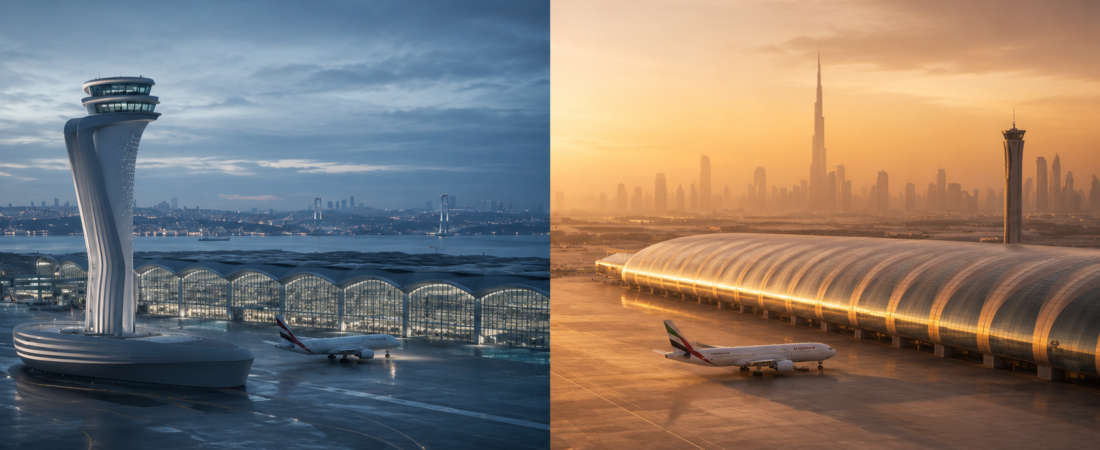
Istanbul: The terminal concept was developed by Grimshaw, Nordic Office of Architecture and Haptic Architects. Its vaulted ceiling, skylights and directional geometry use daylight to guide passengers through check-in, security and retail areas. The design draws on Istanbul’s light, colours and geometric traditions without reproducing historic architecture literally. The tulip-shaped air traffic control tower provides a more explicit Turkish symbol.
Dubai: Terminal 3 was designed by Aéroports de Paris Ingénierie (ADPi). Much of the terminal is below the apron, with large check-in halls and elongated concourses organised for Emirates’ hub operations. Concourse A was purpose-built for the Airbus A380. DXB’s terminals reflect several decades of construction, so the architectural experience is less unified than at IST. Luxury retail, polished finishes and large airline lounges shape the airport’s identity more strongly than traditional Emirati motifs.
Climate, hazards and resilience
Istanbul: Snow, wind, fog and thunderstorms can disrupt operations. Heavy snow caused the major January 2022 shutdown. The airport has de-icing equipment, instrument landing systems and three-runway independent operating procedures, but these reduce rather than eliminate weather disruption. Istanbul also faces regional earthquake risk; a magnitude-6.2 earthquake in the Sea of Marmara in April 2025 was strongly felt across the city. Severe rain can also affect regional roads and public transport serving the airport.
Dubai: Extreme heat places heavy demand on cooling and ground operations, while dust and sand can reduce visibility. The April 2024 storm flooded airport surfaces and access roads, causing diversions, delays and cancellations for several days. DXB also faced direct geopolitical disruption in 2026: Iranian missile and drone attacks damaged airport infrastructure, injured people and caused temporary closures and flight diversions in February and March.
Environmental and neighbourhood impact
Istanbul Airport: The project’s environmental impact was much greater because it was built on a very large greenfield site. The 2013 environmental assessment described a 7,659 ha project area, including about 6,172 ha of forest land. It counted roughly 2.51 million trees and initially envisaged cutting about 658,000 while moving about 1.86 million. Later, the Northern Forests Defense campaign estimated from satellite imagery that airport-related development had removed more than 13 million trees across the airport, quarries and access-road works; this is an advocacy-group estimate, not a final government count. Around 70 water-filled former mining and quarry pits were drained or channelled during site preparation.
iGA has announced afforestation programmes, water-reuse measures and renewable-energy projects. Its 2024 sustainability report records Airport Carbon Accreditation Level 4 “Transformation”, which covers the airport operator’s carbon-management work rather than aircraft emissions.
Dubai International: DXB began on open wasteland outside the edge of the 1959 city and was gradually absorbed by urban growth. It did not require clearance of a large forest and wetland site comparable with IST, but its dense urban location exposes surrounding districts to aircraft noise, road traffic and local air pollution. Its high passenger volume also creates a large aviation emissions footprint that terminal-efficiency projects do not offset.
DXB installed 15,000 photovoltaic panels at Terminal 2 in 2019. The 5 MWp system was designed to generate about 7.48 GWh a year. Dubai Airports later announced a larger 39 MWp solar programme across DXB and DWC, planned for 2026. Other published measures include building and lighting retrofits and a food-waste treatment programme. These initiatives address parts of the airport operator’s footprint, while aviation emissions, noise and road traffic remain major impacts.
Economic and geopolitical role
Istanbul: IST is a strategic national transport asset and the physical base for Turkish Airlines’ intercontinental network. An economic-impact analysis commissioned by iGA estimated that airport-associated activity contributed US$24.2 billion, or 2.2% of Turkey’s GDP, in 2023. The same analysis projects US$44 billion, 3.25% of national GDP and 472,000 supported jobs by 2030. These are operator-commissioned estimates and forecasts, so they should be attributed rather than stated as independently settled facts. The airport strengthens Istanbul’s role in travel between Europe, Asia, Africa and the Middle East.
Dubai: The most recent Oxford Economics study commissioned by Emirates and Dubai Airports estimated that Dubai’s aviation sector contributed AED 137 billion (US$37.3 billion), or 27% of Dubai’s GDP, and supported more than 630,000 jobs in 2023. These figures cover the wider aviation sector rather than DXB alone. DXB is central to Dubai’s tourism, logistics, retail and business model. Its exposure during the 2026 Iran conflict also showed the geopolitical vulnerability created when a city and airline system depend heavily on one major hub.
Curious facts
- Traffic records: Cirium recorded 81 departures from IST in one hour on 2 July 2025, a European record.
- Connectivity: DXB remained the world’s busiest airport for international passenger traffic in 2025.
- Runways: IST has five physical runways but simultaneous independent operations on three. DXB has two closely spaced parallel runways measuring 4,000 m and 4,447 m.
Final takeaway
IST feels built for aviation’s next era: monumental, highly connected and polished, though its distance, exhausting walks and enormous environmental cost are impossible to ignore. DXB is the airport that made Dubai global—busier, closer to the city and unmatched in international traffic—yet ageing terminals, capacity pressure, flooding and the 2026 attacks expose the limits of its compact urban site. IST is the more impressive airport; DXB remains the more powerful global gateway.